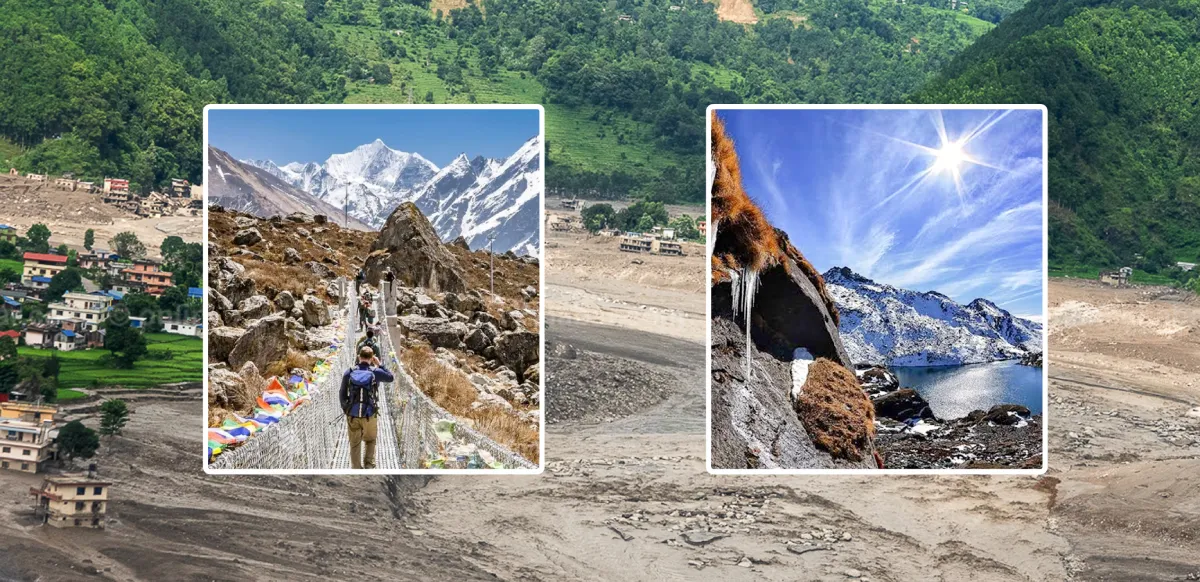
The Rasuwa flash flood of August 26, 2026, has changed life across northern Nepal. The devastating flood in the Bhote Koshi and Trishuli river corridors swept away many villages entirely and took thousands of lives. Families are dealing with the huge loss of their homes, families, neighbours, and their entire little world. For those who survived, the days ahead are filled with grief, displacement, and uncertainty. Tourists, business owners, and workers who were temporarily in the affected areas also lost their lives in the disaster.
The disaster has also left many trekkers wondering about the Langtang Valley Trek, one of Nepal's most popular Himalayan journeys. Can you still trek to Langtang after the Rasuwa flood?
The direct answer is: the Langtang and Kyanjin Valley trekking areas have been reported as safe, but the normal access route through Dhunche and Syabrubesi remains disrupted. An alternative trekking approach has been identified, but trekkers should plan it considering the most recent update and an experienced trekking operator.
What Happened to the Langtang Region?
Langtang is a beautiful mountain region in northern Nepal, close to the Nepal-China border. Langtang Valley is the main trekking area, while Syabrubesi is one of the main entry points for trekkers. Normally, trekkers travel from Kathmandu to Dhunche and Syabrubesi by road before starting the trek into the valley.
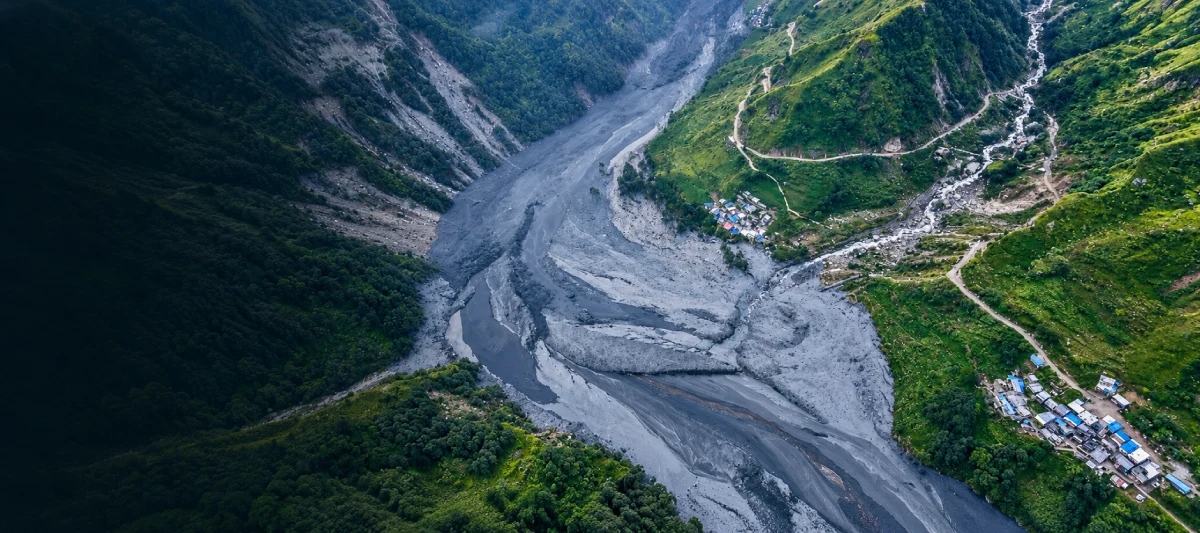
The Rasuwa flood did not directly sweep through the entire Langtang Valley. However, it caused serious damage around Syabrubesi and to the roads and bridges connecting the area with Dhunche and other parts of Nepal. This has made it difficult to reach Langtang by the usual route. The trekking area itself is different from the flood-damaged access areas. However, getting there is currently the main challenge for trekkers.
Can You Still Do the Langtang Valley Trek?
Yes, but not through the usual road approach at this time. Trekking Agencies’ Association of Nepal (TAAN) latest available route update states that the Langtang/Kyanjin Valley and Gosaikunda destinations remain safe, while the road through Battar, Dhunche and Syabrubesi remains closed.
An alternative approach has been suggested through Sundarijal, Helambu, Thadepati, Ghopte and Gosaikunda, continuing toward Thulosyabru, Lama Hotel, Langtang and Kyanjin. This means a Langtang trek is still possible, but it is not the usual Kathmandu-Dhunche-Syabrubesi journey and requires more careful planning. Trekkers should therefore avoid booking or following an old Langtang itinerary without first confirming the current route with their trekking agency.
What Should Trekkers Consider Before Going?
Even though the Langtang trekking area has been assessed as safe, the wider region is still recovering from a major disaster. The monsoon season also brings its own risks, including unstable trails, landslides, and changing mountain conditions. TAAN has advised travellers to continue taking caution and obtain the latest access information before departure. If you are considering Langtang, make sure you:
-
Confirm the latest trail and access conditions before leaving Kathmandu.
-
Trek with an experienced and licensed guide.
-
Use only routes confirmed by local authorities or experienced operators.
-
Allow additional days for possible changes or delays.
-
Avoid damaged roads, bridges, and restricted areas.
-
Keep your itinerary flexible.
-
Have appropriate travel and trekking insurance.
-
Follow local instructions rather than relying on old online information.
Most importantly, remember that the situation can change as recovery work continues.
Should You Postpone Your Langtang Trek?
If you were planning to reach Langtang through the traditional Dhunche-Syabrubesi route, you should not assume that the road is available simply because the Langtang trekking area itself is considered safe.
You have two practical choices: wait until normal access is restored, or discuss the alternative trekking approach with an experienced local operator. You can also consider another trekking region. TAAN reports that destinations including Everest, Annapurna, Manaslu, Mustang, Kanchenjunga, Makalu and several other major trekking areas were not directly affected by the Rasuwa floods, although individual access routes and weather conditions still need to be checked.
Trek With Understanding and Respect
The Rasuwa flood has affected Nepal's tourism industry, but its greatest impact has been on people and communities. Visitors can continue to support Nepal while also travelling responsibly and respecting areas that are still dealing with the loss.
Planning a Langtang Valley Trek after the Rasuwa flood?
Mountain Delights Treks & Expeditions can help you understand the latest route conditions, assess available approaches, and plan your trek according to the situation on the ground. If Langtang is not suitable for your dates, our team can also help you explore other trekking destinations in Nepal.
Contact Mountain Delights today to plan your Himalayan journey with updated route information, experienced local guidance, and safety in mind.



.webp)